Cresde

Manufacturing

Logo, crest & sponsor application

How your crest and your sponsors actually get onto the garment. 7 techniques, each photographed on a real production sample — because what separates them is something you feel in the hand, not something a spec sheet conveys.

Most kits use more than one. A sublimated body, an embroidered or moulded crest and flex numbers on the back is the usual build. Send your artwork and we will recommend the combination that suits it.

The techniques

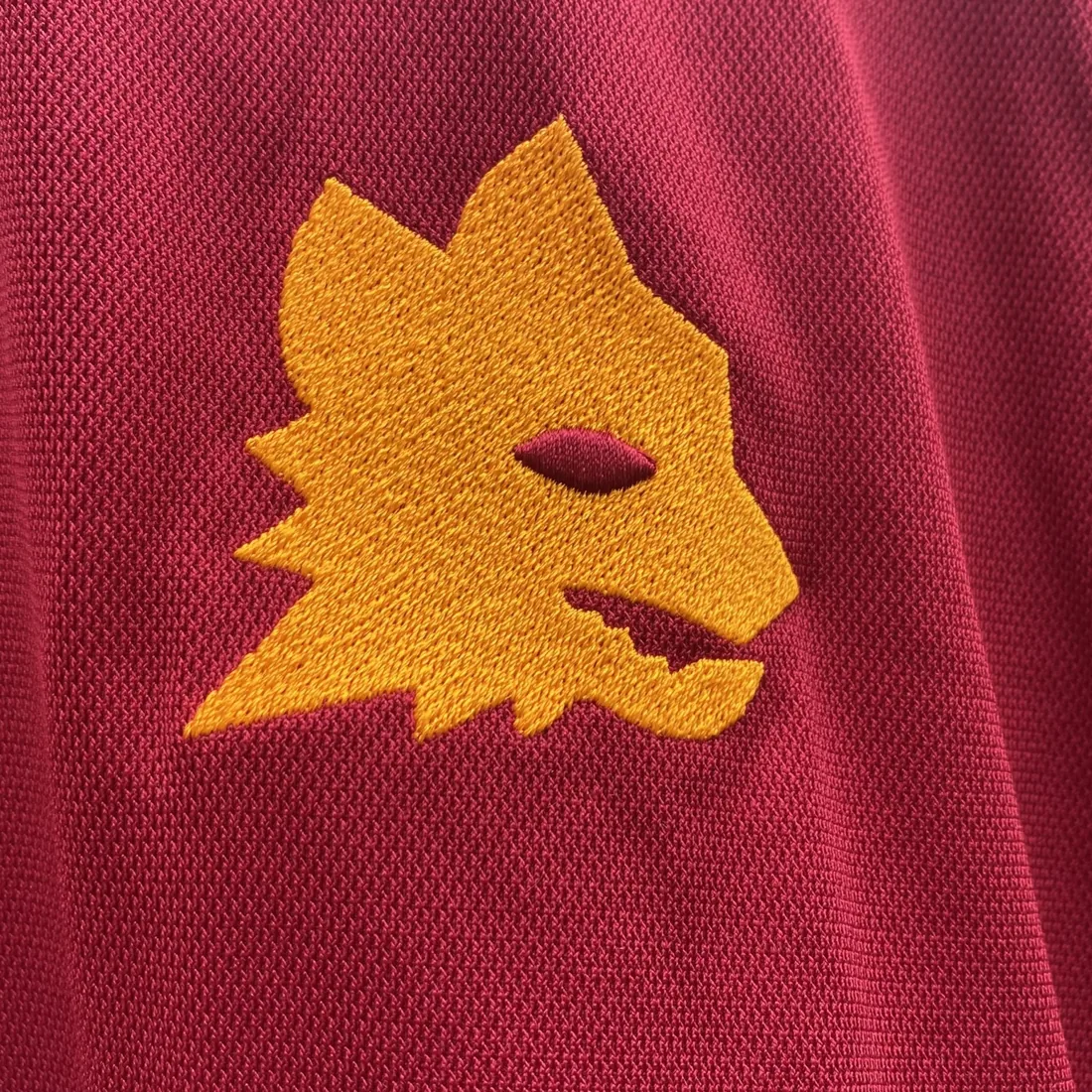
Embroidery — Thread stitched directly through the fabric.

1 sample

Embroidery

Thread stitched directly through the fabric.

The crest is stitched into the garment with coloured thread on a multi-head machine. It has real depth and texture, it cannot peel because nothing sits on the surface, and it is the finish most people read as a proper club kit. Very fine detail is the limit — below a certain size neighbouring stitches merge.

Feel
Raised, textured, slightly firm
Colour
Thread colours, typically up to a dozen per design
Durability
Outlasts the garment; cannot crack or peel
Best for
Club crests, polo chests, caps and jackets
Woven patch — The crest woven as its own badge, then applied.

2 samples

Woven patch

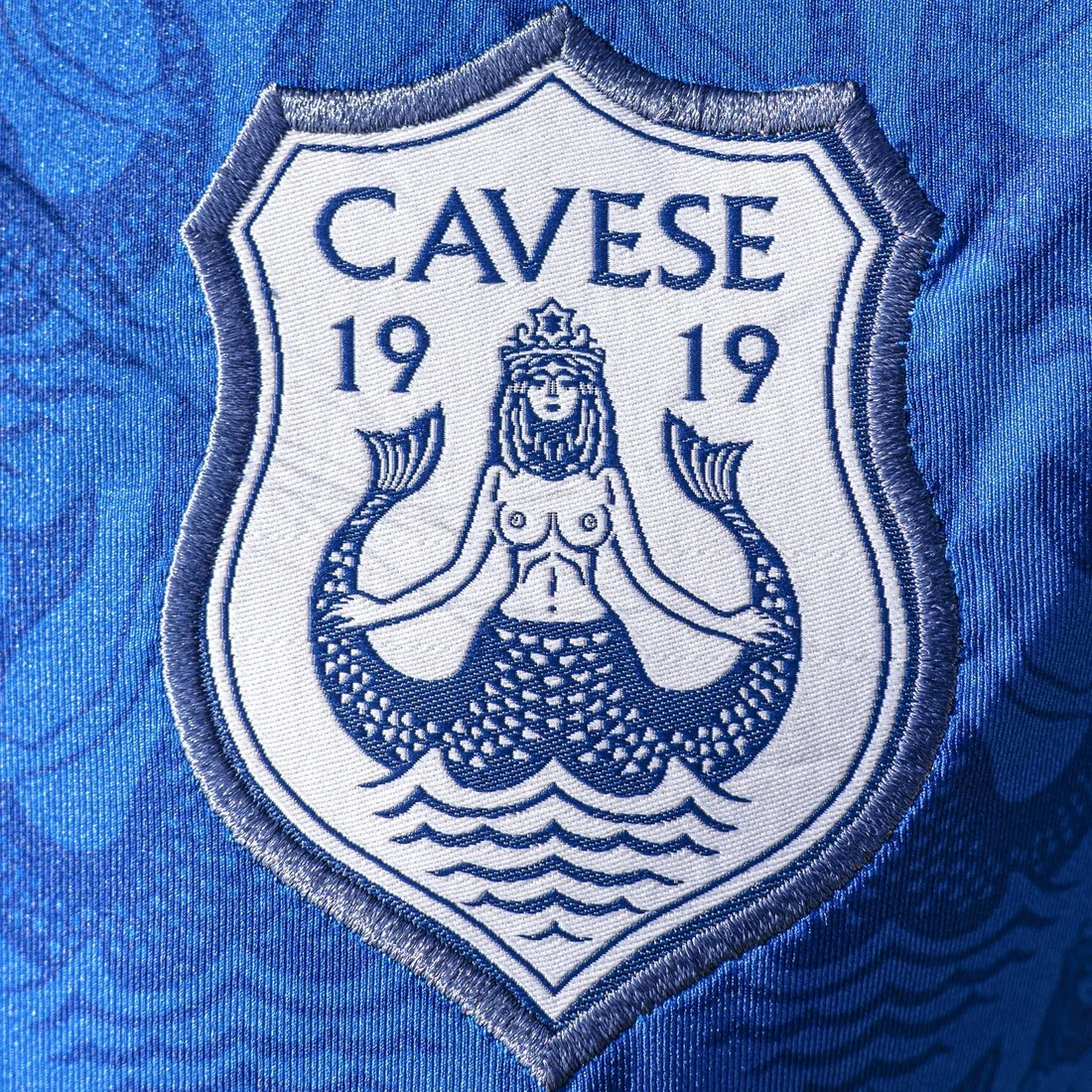
The crest woven as its own badge, then applied.

The badge is woven separately at high thread density, then edged and applied to the garment. Because the design is woven rather than stitched over the cloth, it holds much finer detail than direct embroidery — thin outlines, small lettering and shading between tones all survive. With an embroidered border it reads as a classic crest patch.

Feel
Flat and dense, with a defined edge
Colour
Woven yarn colours; fine detail possible
Durability
Very high — the badge is itself a textile
Best for
Detailed crests, small lettering, heritage designs, sleeve badges
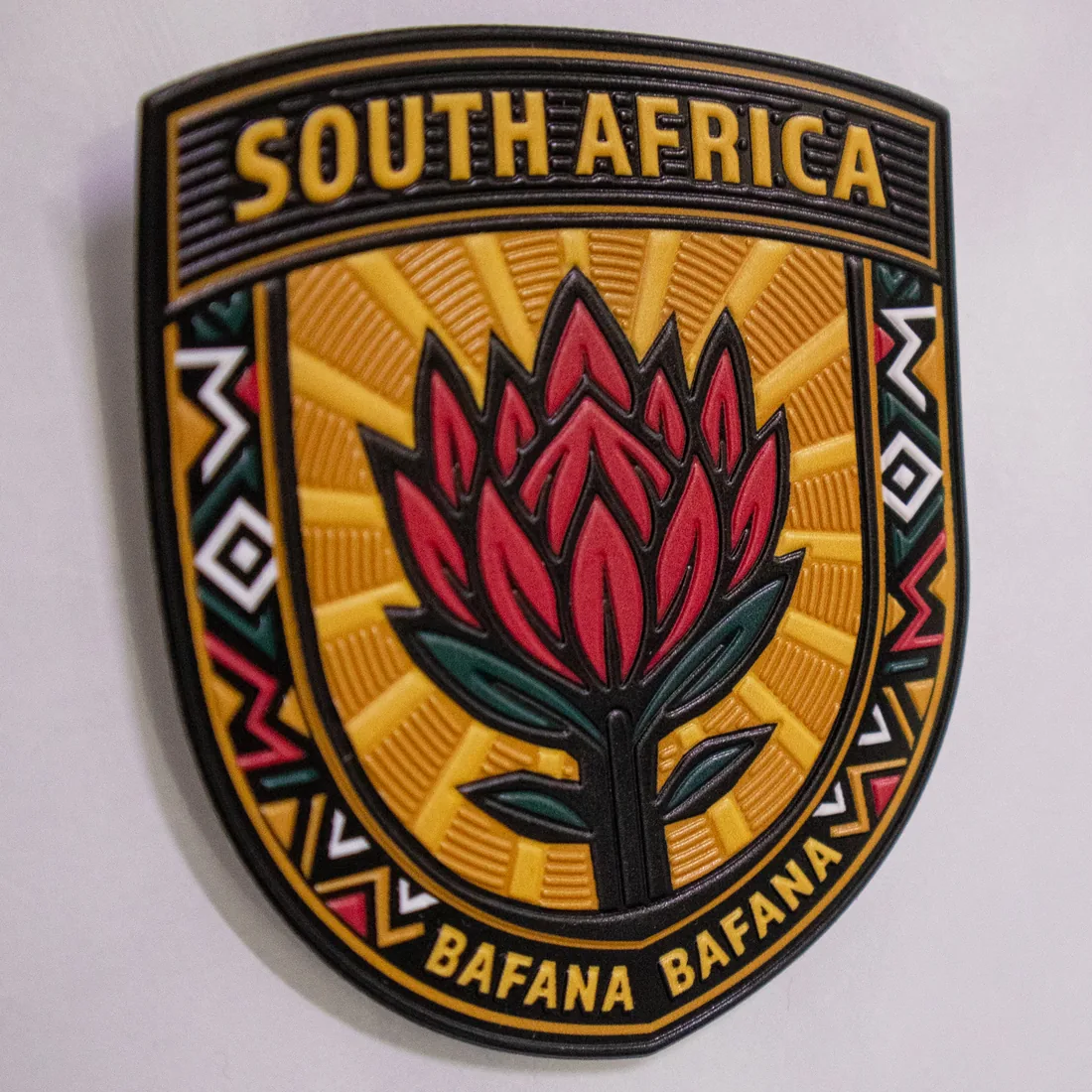
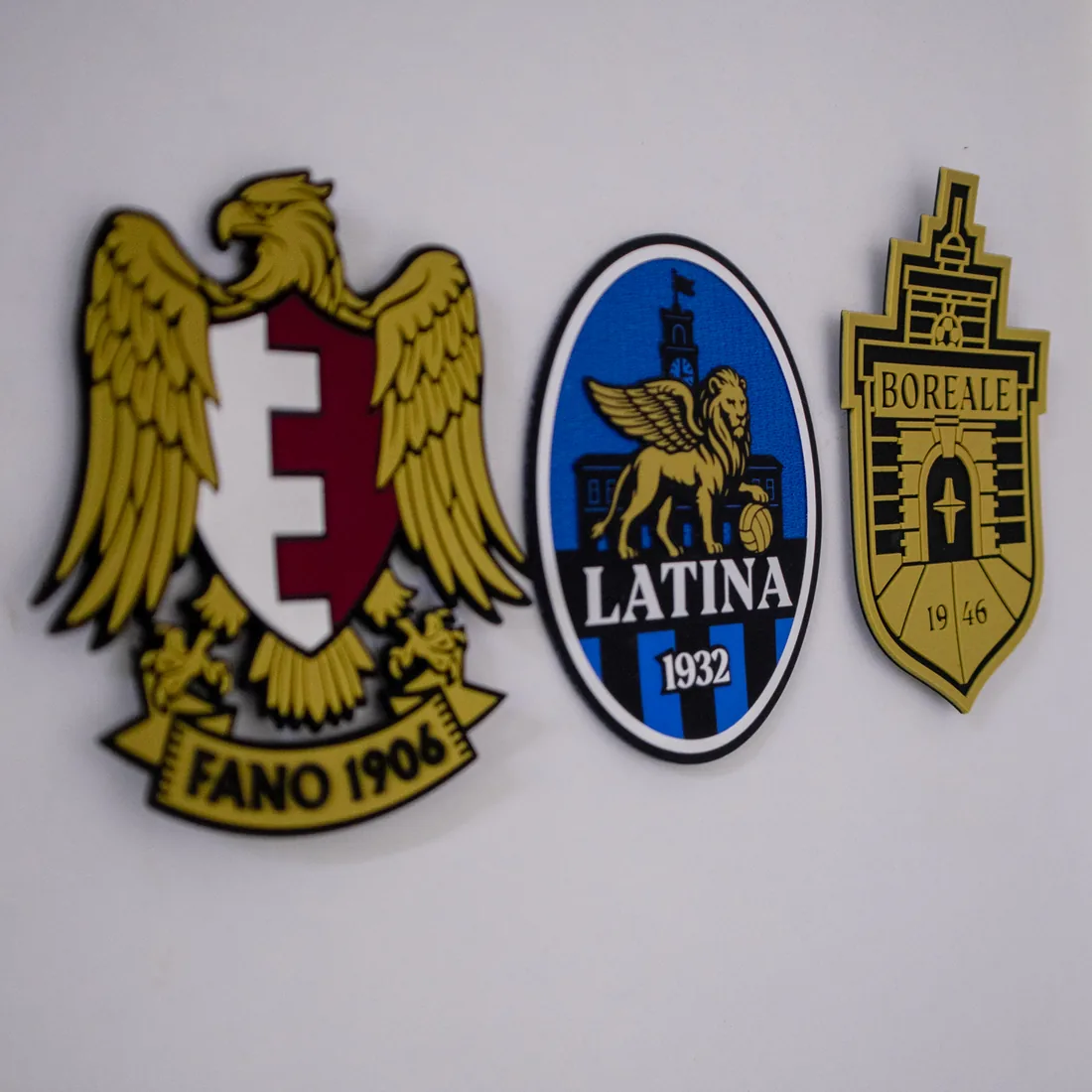
3D silicone — Raised elastomer emblem with real relief.

3 samples

3D silicone

Raised elastomer emblem with real relief.

The emblem is built up in silicone layers so it stands off the fabric with a soft, rubbery relief. It takes strong colour, holds crisp edges and stays flexible with the garment. This is the finish used when a crest has to feel premium in the hand and catch the light on camera.

Feel
Raised, soft-touch, rubbery
Colour
Solid layered colours with sharp edges
Durability
Flexes with the fabric; does not crack
Best for
Match-kit crests, federation badges, premium replica kit
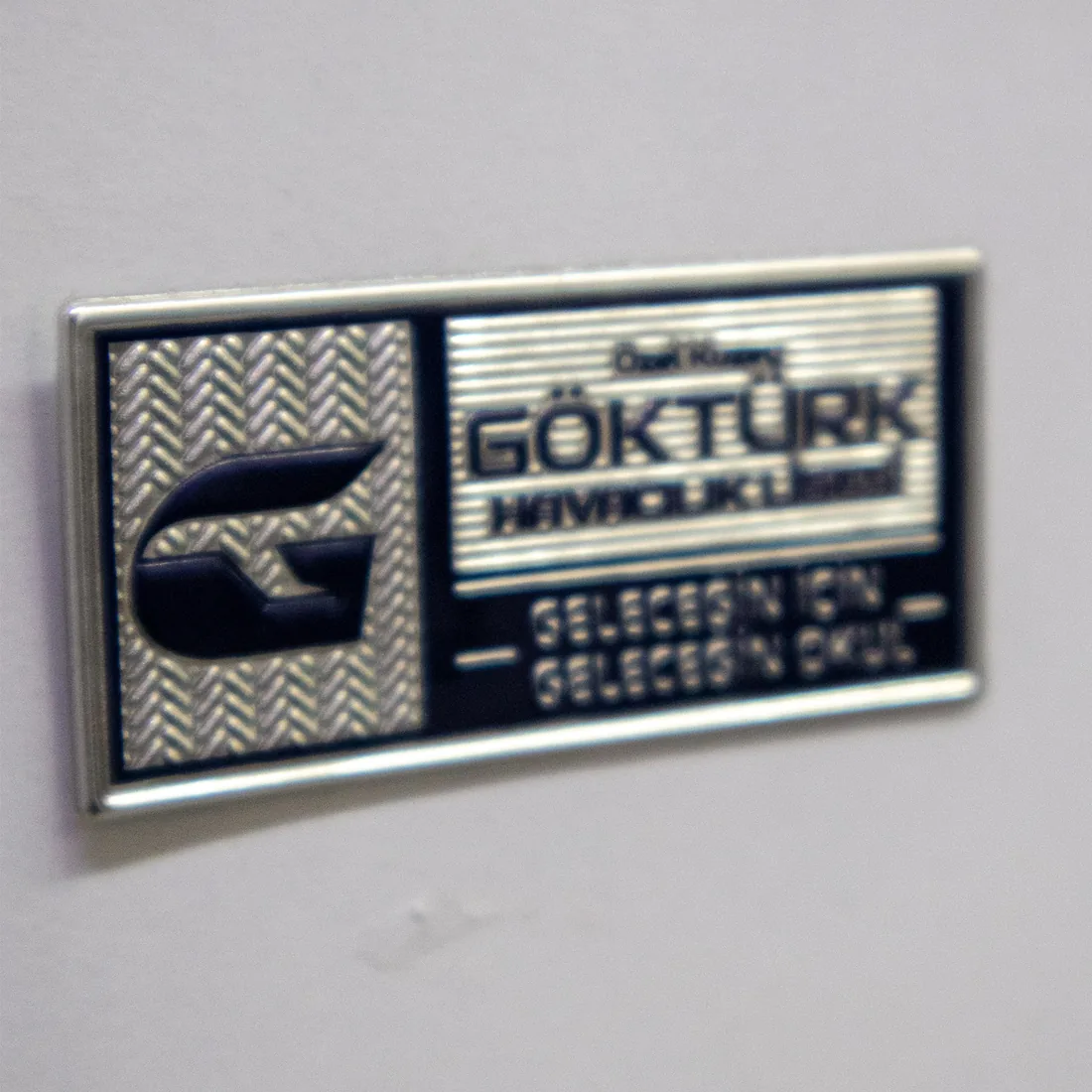
Hologram & metallic — Reflective metallic finish over a moulded base.

1 sample

Hologram & metallic

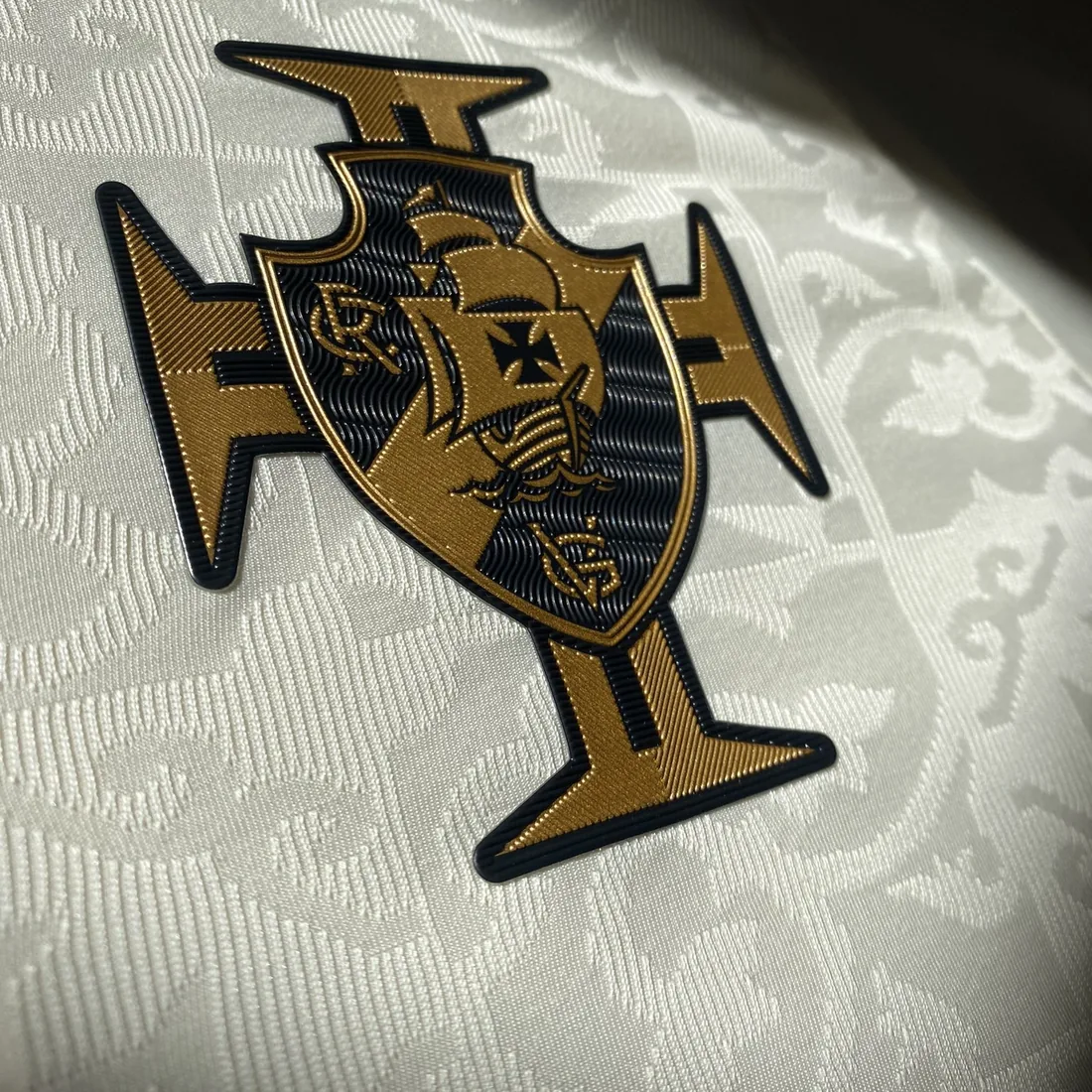
Reflective metallic finish over a moulded base.

A metallic or holographic layer over the moulded badge, so the mark shifts and catches the light as the wearer moves. Used where a badge has to look special rather than blend in — presentation wear, anniversary editions and institutional emblems.

Feel
Raised, smooth, reflective
Colour
Metallic silver or gold over base colours
Durability
As durable as a moulded badge; keep off high-abrasion areas
Best for
Anniversary and presentation pieces, institutional badges
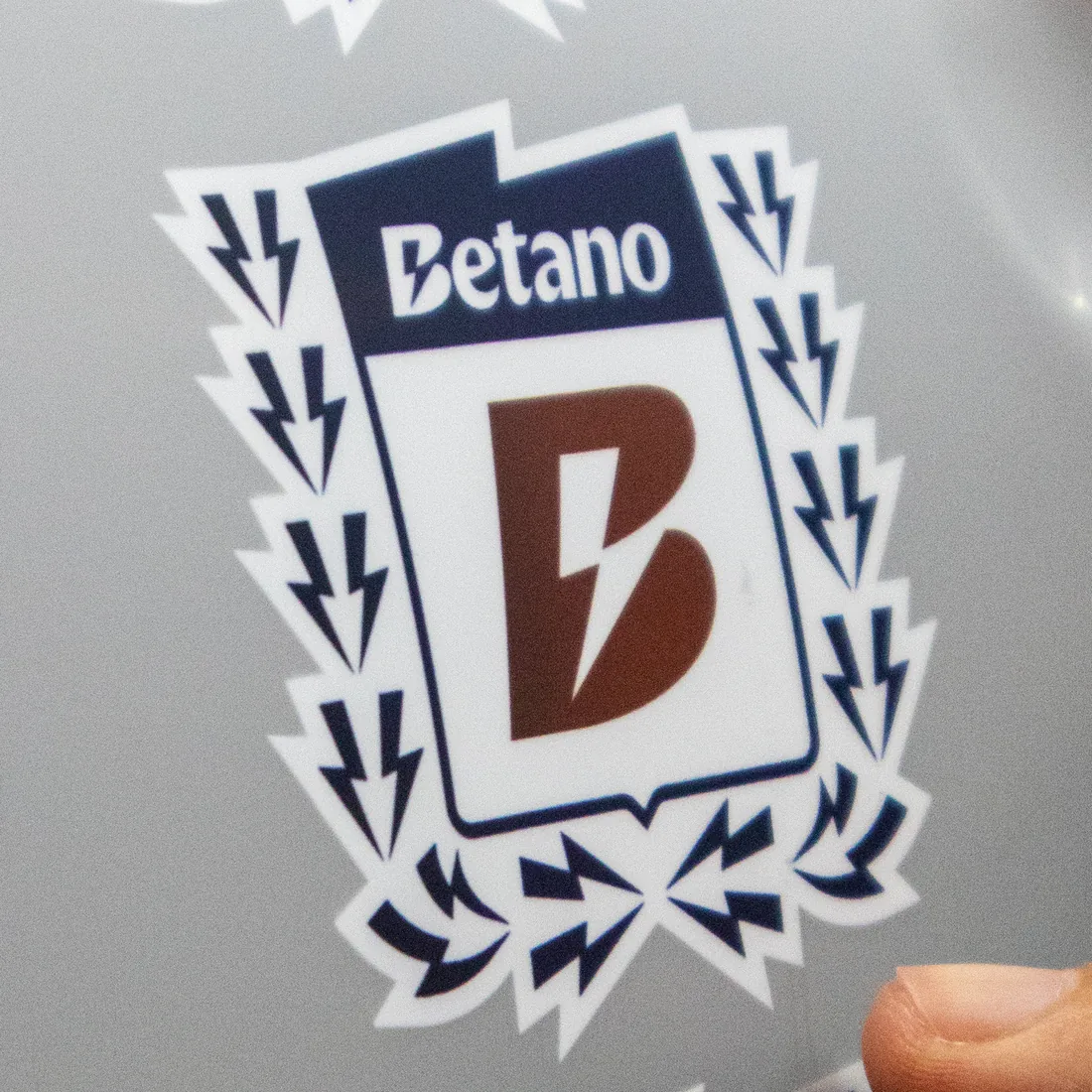
DTF transfer — Full-colour print on film, heat-pressed on.

1 sample

DTF transfer

Full-colour print on film, heat-pressed on.

The artwork is printed onto transfer film in full colour and pressed into the garment. Because it is a print, it carries photographic detail, gradients and unlimited colours without a separate screen per colour — which makes it the practical choice for sponsor blocks that change from season to season, and for short runs where tooling a woven or moulded badge would not be worth it.

Feel
Thin and smooth, very slightly raised
Colour
Full colour, gradients, photographic detail
Durability
Good with correct washing; it is a surface layer, unlike sublimation
Best for
Sponsor logos, multi-colour marks, short runs, artwork that changes
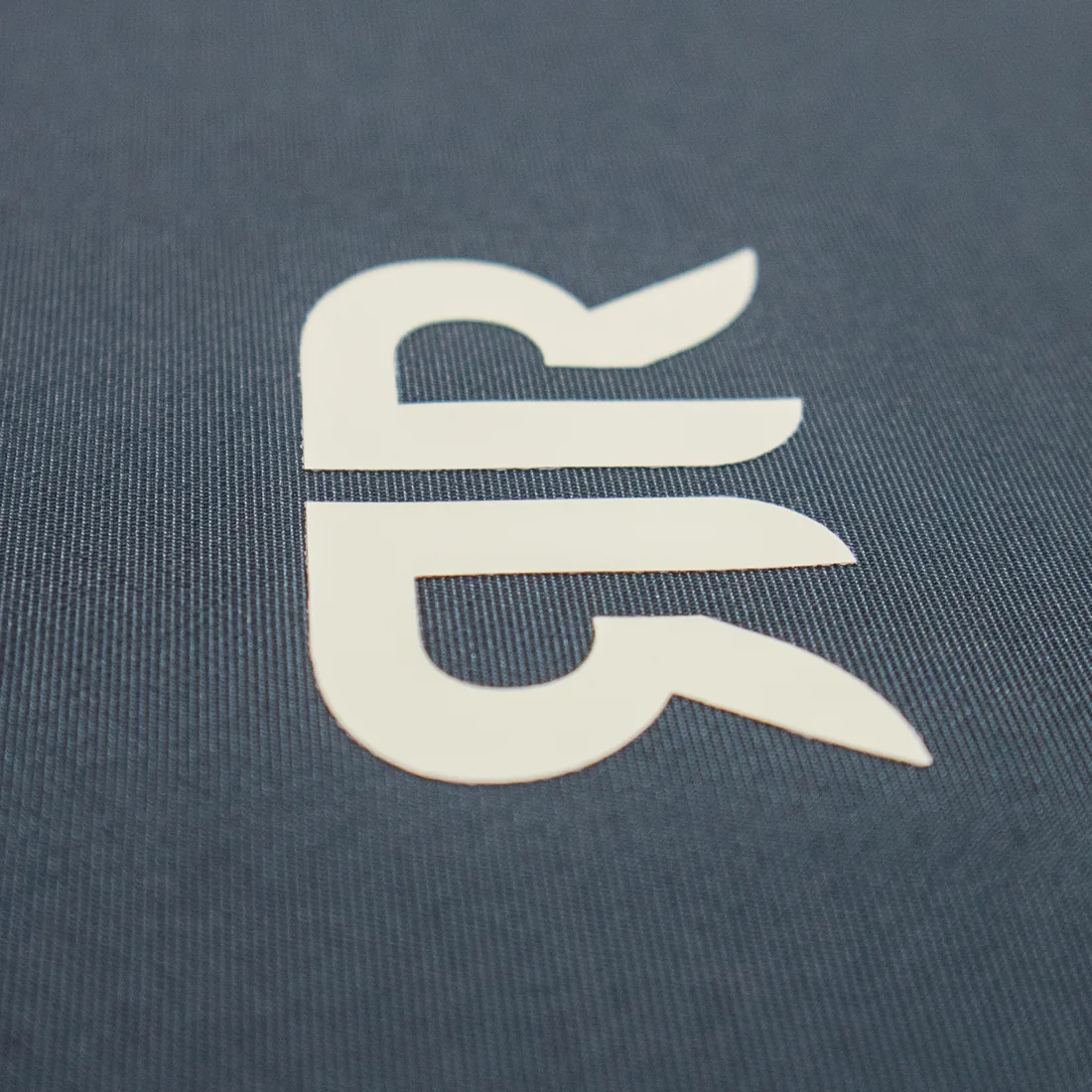
Flex transfer — Single-colour vinyl cut to shape and pressed on.

1 sample

Flex transfer

Single-colour vinyl cut to shape and pressed on.

A coloured vinyl film cut to the exact shape of the mark and heat-pressed onto the garment. It gives a clean block of colour with a very sharp edge in matt or gloss, and it is the standard way player names and squad numbers are applied. Simple shapes only — one colour per layer.

Feel
Thin and smooth, matt or gloss
Colour
One solid colour per layer
Durability
High on flat areas; avoid heavy seams
Best for
Names, squad numbers, single-colour logos, sleeve marks
UV printed badge — Printed badge cured under UV light, with a raised outline.

1 sample

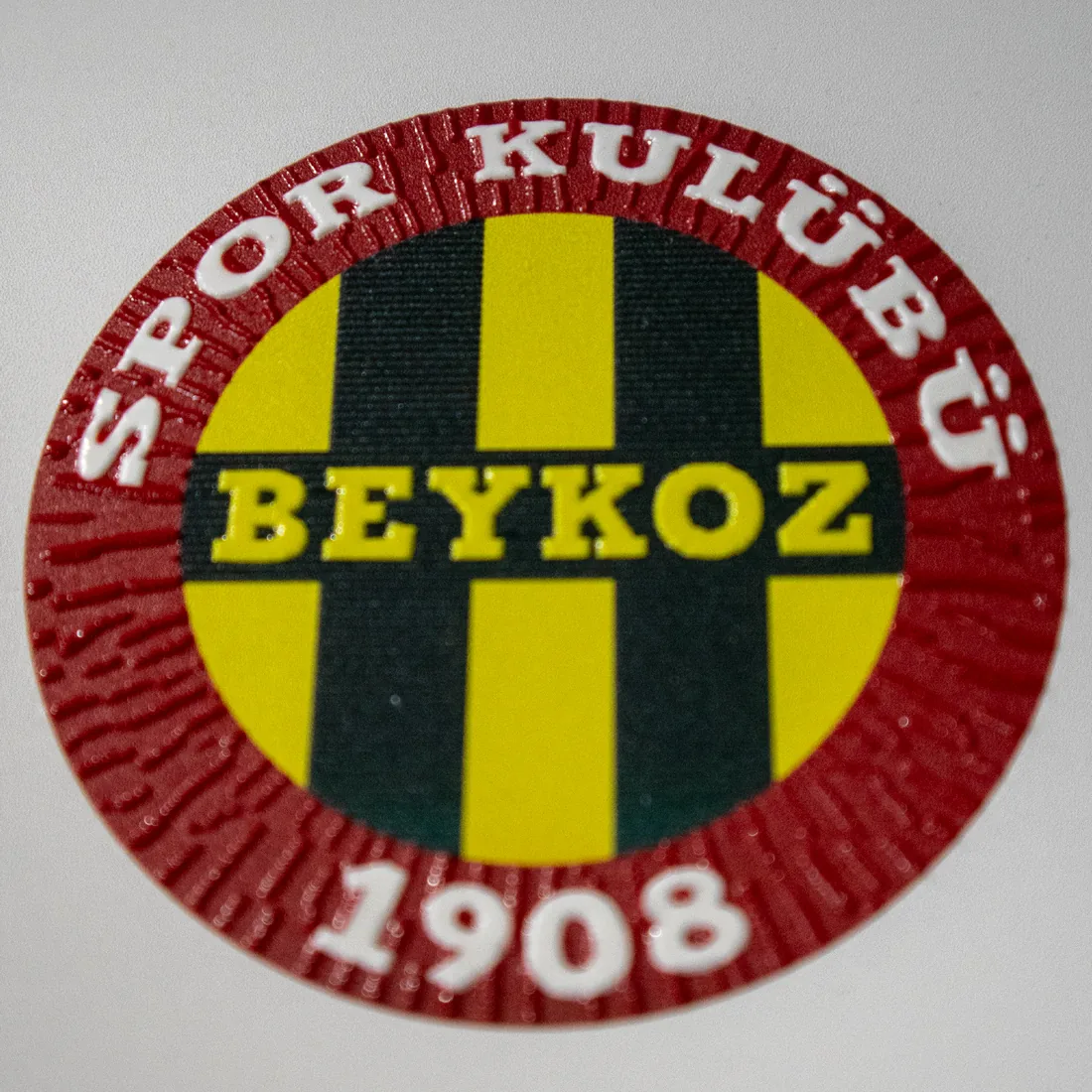
UV printed badge

Printed badge cured under UV light, with a raised outline.

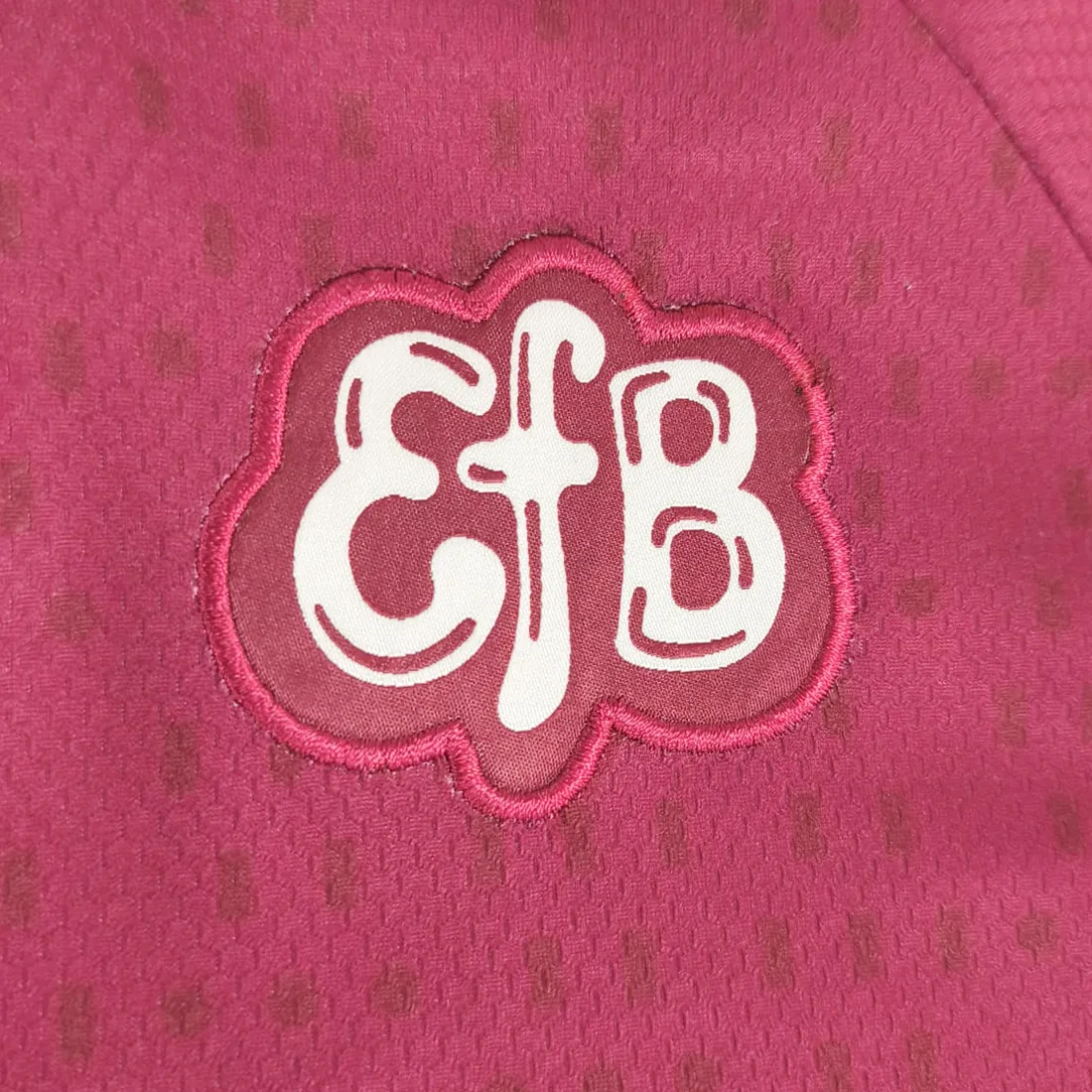
The badge is printed and cured under UV light, which allows full colour inside a moulded outline. It combines the colour freedom of a print with the defined edge and slight relief of a moulded badge — a good middle ground when a crest is too detailed to embroider but should still feel like a badge.

Feel
Slight relief with a smooth face
Colour
Full colour within a moulded outline
Durability
Good; the raised outline protects the printed face
Best for
Detailed multi-colour crests, school and club badges

Comparing them

Comparing them
TechniqueFeelColourDurabilityBest for
EmbroideryRaised, textured, slightly firmThread colours, typically up to a dozen per designOutlasts the garment; cannot crack or peelClub crests, polo chests, caps and jackets
Woven patchFlat and dense, with a defined edgeWoven yarn colours; fine detail possibleVery high — the badge is itself a textileDetailed crests, small lettering, heritage designs, sleeve badges
3D siliconeRaised, soft-touch, rubberySolid layered colours with sharp edgesFlexes with the fabric; does not crackMatch-kit crests, federation badges, premium replica kit
Hologram & metallicRaised, smooth, reflectiveMetallic silver or gold over base coloursAs durable as a moulded badge; keep off high-abrasion areasAnniversary and presentation pieces, institutional badges
DTF transferThin and smooth, very slightly raisedFull colour, gradients, photographic detailGood with correct washing; it is a surface layer, unlike sublimationSponsor logos, multi-colour marks, short runs, artwork that changes
Flex transferThin and smooth, matt or glossOne solid colour per layerHigh on flat areas; avoid heavy seamsNames, squad numbers, single-colour logos, sleeve marks
UV printed badgeSlight relief with a smooth faceFull colour within a moulded outlineGood; the raised outline protects the printed faceDetailed multi-colour crests, school and club badges

Combining techniques

Techniques are chosen per element, not per garment. A single shirt commonly carries a sublimated body, a moulded or embroidered crest on the chest, a woven neck label, flex numbers on the back and a DTF sponsor block that can change next season without retooling anything else.

Frequently asked questions

Which technique should we use for our club crest?
For most crests it is embroidery or a woven patch — embroidery for depth and a classic feel, woven when the design has thin lines or small lettering that stitching would lose. If the crest has to feel premium in the hand, 3D silicone. Send us the artwork and we will tell you which one it suits, and why.
Can you match our exact brand colours?
Yes. Thread and vinyl are matched against your colour reference; printed techniques are matched on the actual fabric, because the same colour prints differently on an open mesh than on a brushed fleece.
How small can the lettering be?
It depends on the technique. A woven patch and a UV printed badge hold much finer detail than direct embroidery, where stitches begin to merge below a certain size. Send the artwork at the size you intend to use and we will tell you honestly whether it will read.
Our sponsor changes every season — what should we use?
DTF or flex. Neither needs tooling per design, so a new sponsor block costs the same as the last one and can be applied to the same base kit without changing anything else.

Send us your crest

Share your artwork and the garment it goes on. We will come back with the technique we recommend, a mock-up and pricing within one business day.

Or request a quote directly